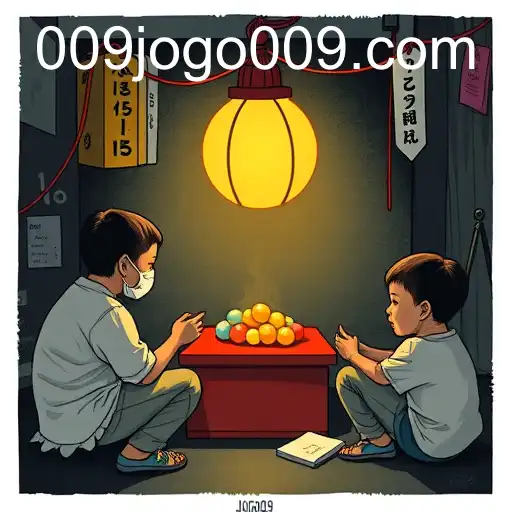
The Illegal Numbers Game: Unveiling the Mystery of Jueteng and Its Contemporary Reflection in Jogo009
The term 'Jueteng' might seem foreign to non-Filipinos, but within the Philippines, it is a household name, synonymous with both controversy and cultural ubiquity. Jueteng is an illegal numbers game that has thrived across the archipelago, transcending socio-economic classes and political regimes. Understanding Jueteng is akin to unraveling a historical tapestry woven with threads of tradition, power, and socio-economic realities.
Origins and Mechanism of Jueteng
Jueteng traces its origins back to the 19th century during Spanish colonial rule. Its name is believed to be derived from the Chinese words 'juet' (flower) and 'teng' (bet). Despite its illegal status, Jueteng has managed to embed itself deeply into the daily lives of many Filipinos. The game operates on a simple mechanism: bets are placed on a combination of numbers ranging from 1 to 37. The winning number is then determined through a random draw, traditionally using two sets of balls placed in a tambiolo, a small cage-like drum.
Jueteng’s appeal lies in its accessibility and the minimal resources required to participate. A small kitchen, a few notebooks, and some misters to collect bets are often the only necessities. Even children are sometimes drawn into this underground economy as manual writers or couriers, a testament to the game's cultural pervasiveness. Yet, despite this seeming simplicity, Jueteng nurtures a complex ecosystem where community, economy, and politics intersect.
The Socio-Economic Impact of Jueteng
Despite its illicit nature, Jueteng can offer significant economic relief for disadvantaged communities. The allure of hitting a winning number and receiving 500-fold the bet is irresistible for many, often serving as a makeshift solution to poverty. In regions where employment is scarce, Jueteng provides a semblance of livelihood not only to bettors but also to those involved in its operations. Community members may become cabos, the people responsible for managing collectors, or else act as resellers and enforcers within the betting networks.
Yet, the implications of Jueteng extend beyond individual households. Its proceeds often flow into the coffers of local officials who turn a blind eye to the practice in exchange for a percentage of earnings, thus creating an entangled relationship of mutual benefit and corruption. This symbiotic relationship often turns Jueteng into an unofficial GDP driver in certain regions, a stark reality that complicates the narrative of law enforcement and eradication efforts.
Jueteng's Place in Politics
Perhaps one of the most captivating aspects of Jueteng is its influence in the political arena. Its profits have been implicated in significant political campaigns and used to fund both local and national elections. Political patronage networks benefit from its revenues, creating an economic scaffold for political ambitions. For candidates, supporting or shutting down Jueteng can serve as an informal question of allegiance during electoral contests.
The scandal-ridden nature of Jueteng has also reached the presidential level, embroiling notable figures in controversies that have rocked the country. Allegations that Jueteng operators have financed political dynasties give rise to a systemic issue that highlights how deeply the game is embedded in the national fabric.
The Digital Era: Jogo009 as Modern Reinvention
In today's digital age, Jueteng has found a new life through platforms like Jogo009, a manifestation that exists within the realm of online lottery games. While Jogo009 arrives with a veneer of legitimacy by operating online and aligning with various betting standards, it echoes the traditional pillars upon which Jueteng was built.
Games like Jogo009 might diverge in format and legality, but the essential draw remains the same — the thrill of wagering small for potentially large rewards. These online platforms capture the timeless human yearning for chance, financial liberation, and the simple pleasure of winning. While the digital landscape offers better regulatory oversight, it does not entirely dispel concerns about accessibility and the potential for obsession, particularly among economically vulnerable demographics.
Modern Reflections on Tradition
Jueteng operates as a somber reminder of persistent socio-economic disparities while illustrating the innovative resilience of Filipino traditions. As platforms like Jogo009 thrive, they likewise reflect an adaption to contemporary modes of operation that ensure the numbers game's relevance in a world that pivots increasingly towards digital spaces.
The discussion of Jueteng and operations alike reminds us that at the crossroads of legality and livelihood lies a complex dialogue about societal needs, governance, and human nature. As modern iterations prompt discussions about regulation and morality, the numbers game evokes a broader question about sustainable solutions in addressing the socio-economic challenges that propel such practices.